
If Sri Lanka has a cultural heartbeat, it pulses from Kandy. Nestled in the central highlands and encircled by mist-draped mountains, this sacred city served as the last capital of the Sinhalese kings and remains the spiritual centre of Buddhism on the island. At its core lies the Temple of the Sacred Tooth Relic, one of the most venerated Buddhist shrines in the world, drawing pilgrims and travellers alike to its ornate halls and ceremonial rituals.
But Kandy is far more than a single temple. It is a city of botanical wonders, colonial echoes, vibrant arts, and rolling tea estates that stretch toward the horizon in every shade of green imaginable. It is also the gateway to Sri Lanka’s spectacular Hill Country, making it an essential stop on virtually any island itinerary.
The Temple of the Sacred Tooth Relic
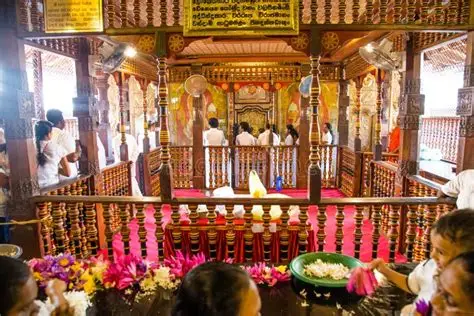
No visit to Kandy is complete without experiencing the Sri Dalada Maligawa, the temple that houses what is believed to be a tooth of the Lord Buddha. This single relic has shaped the city’s identity for centuries — in ancient times, possession of the tooth was considered essential to holding political power in Sri Lanka.
The temple complex sits on the northern shore of Kandy Lake and is an architectural treasure in its own right, with intricately carved wooden pillars, painted ceilings, and a golden-roofed inner chamber. Daily puja ceremonies take place at dawn, midday, and evening, each accompanied by the rhythmic beating of drums and the fragrance of jasmine offerings. The evening ceremony, held around six thirty, is the most atmospheric.
Dress modestly when visiting — shoulders and knees should be covered, and shoes must be removed before entering. Photography is permitted in most areas, though flash is prohibited near the inner shrine. Allow at least an hour, or longer if you wish to absorb the meditative atmosphere.
Peacock Lanka Travels
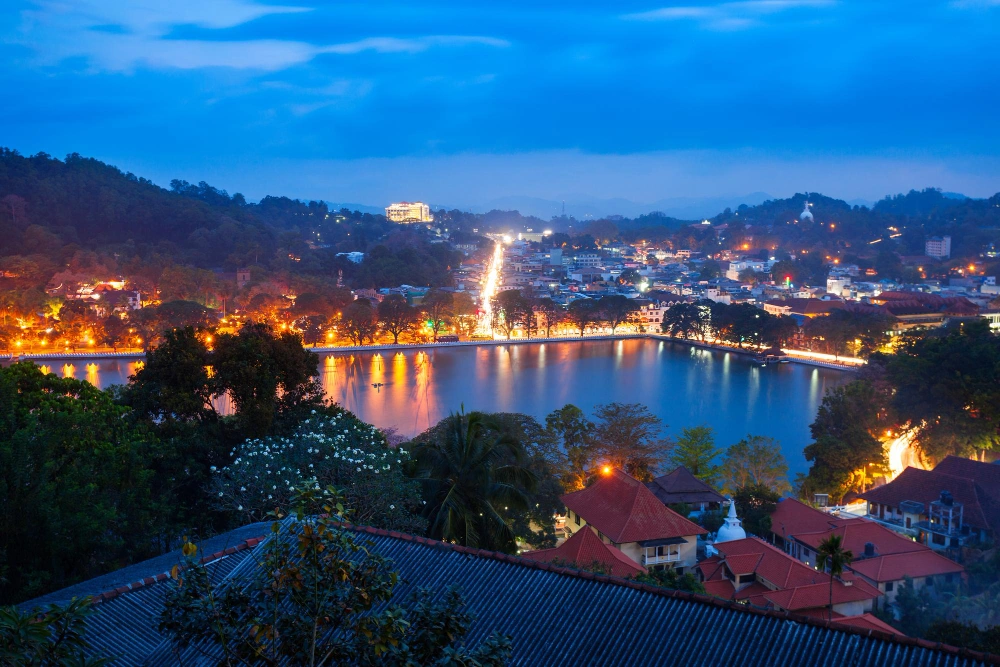
Kandy Lake and the City Centre
The man-made lake at the heart of Kandy was created in 1807 by the last king of the Kandyan kingdom. Encircled by a pleasant walking path shaded by large trees, it offers a tranquil escape from the bustle of the commercial district just uphill. Early morning and late afternoon are the best times for a stroll, when the light softens and the surrounding hills are reflected on the water’s surface.
The man-made lake at the heart of Kandy was created in 1807 by the last king of the Kandyan kingdom. Encircled by a pleasant walking path shaded by large trees, it offers a tranquil escape from the bustle of the commercial district just uphill. Early morning and late afternoon are the best times for a stroll, when the light softens and the surrounding hills are reflected on the water’s surface.
Royal Botanical Gardens at Peradeniya
About six kilometres southwest of the city centre, the Royal Botanical Gardens at Peradeniya ranks among the finest tropical gardens in the world. Spanning sixty hectares along a bend in the Mahaweli River, the gardens were first established as a royal pleasure garden before being developed by the British in 1821. The grounds contain more than four thousand species of plants.
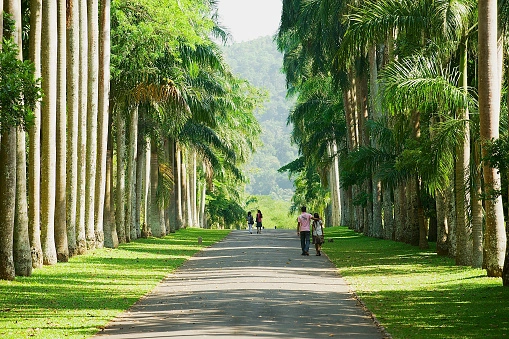
- A magnificent avenue of royal palms planted in 1885
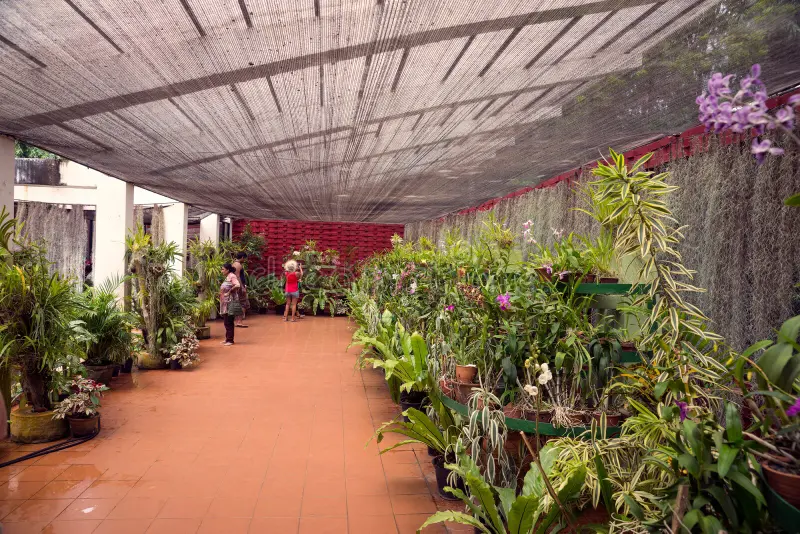
- A vast orchid house with over three hundred varieties
- A spice garden with cinnamon, nutmeg, and clove trees
- A giant Javan fig tree whose canopy covers two thousand square metres
- Beautiful riverside walking paths ideal for birdwatching
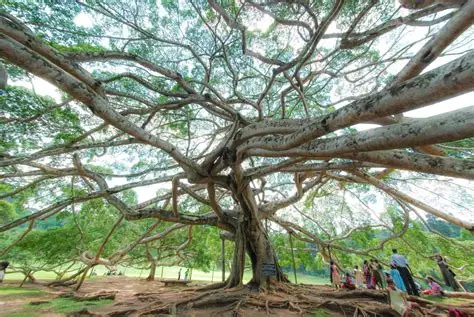
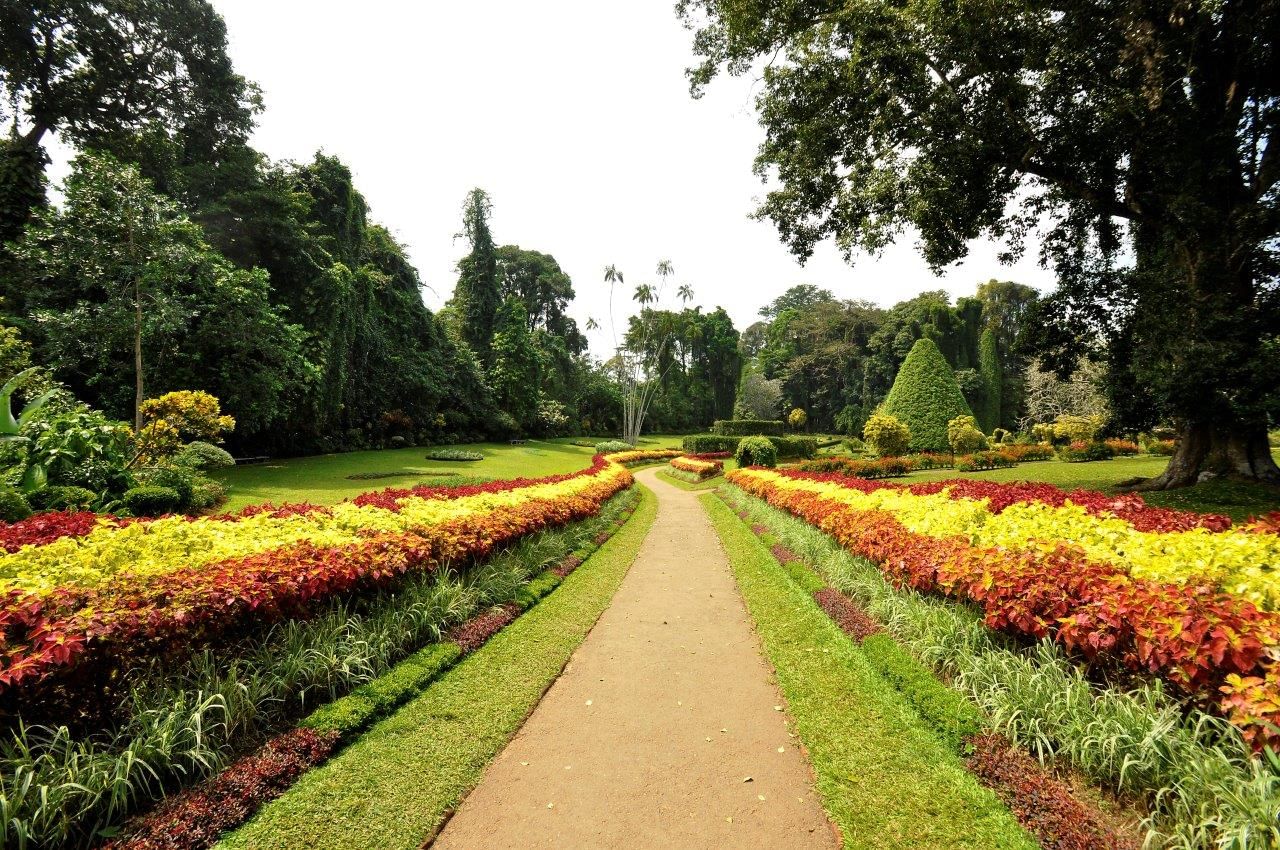
Plan to spend at least two hours at Peradeniya. Bring water, wear comfortable shoes, and arrive early morning or late afternoon when the heat is less intense and the birdlife is most active.
Peacock Lanka Travels
Udawattakele Forest Reserve
Hidden behind the Temple of the Tooth, this 257-acre forest sanctuary once served as the private garden of the Kandyan kings. Today it functions as a protected reserve and a surprisingly wild pocket of nature just steps from the city centre. Walking trails wind through dense tropical canopy, past meditation caves once used by Buddhist monks, and alongside small streams where monitor lizards bask on warm rocks.
Birdwatchers will find it particularly rewarding — over 460 plant species and numerous bird varieties have been recorded here, including the Sri Lanka hanging parrot and the yellow-fronted barbet. Early morning visits offer the best chance of wildlife sightings and the coolest temperatures.
Tea Heritage and the Ceylon Tea Museum
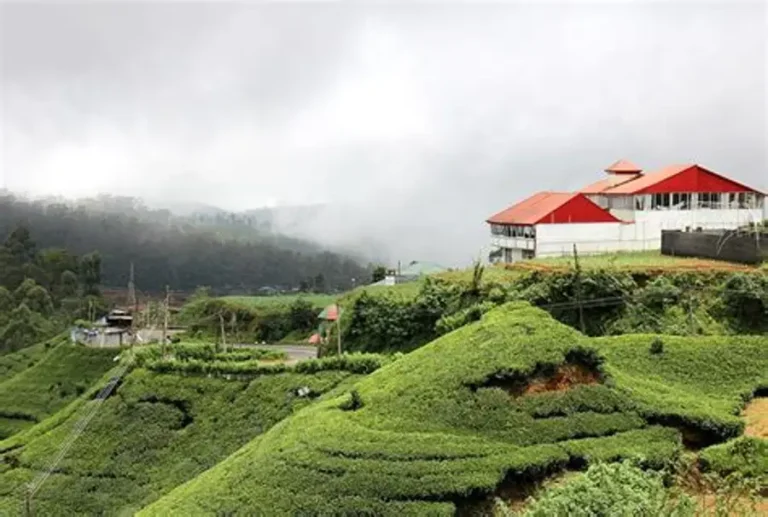
Sri Lanka’s identity is inseparable from tea, and Kandy sits at the gateway to the island’s most productive tea-growing regions. The Ceylon Tea Museum, housed in a former tea factory about four kilometres from the city centre in the Hantane hills, provides an excellent introduction to the industry. Spread across four floors, the museum displays antique processing machinery, historical photographs, and original equipment from the pioneering days of Ceylon tea. The top floor houses a tearoom where you can sample different varieties while enjoying panoramic views across the valley.
Kandyan Dance and Drumming
Kandy has been the centre of traditional Sinhalese performing arts for centuries. The distinctive Kandyan dance style — characterised by vigorous leaps, complex footwork, and elaborate costumes featuring silver regalia — was originally performed as part of religious rituals and royal ceremonies. Cultural shows are held daily at several venues around the city, typically in the early evening. The performances last about an hour and showcase a variety of traditional dance forms alongside drumming displays and, as a dramatic finale, a fire-walking ceremony.
The Trio of Ancient Temples
Just outside Kandy, a cluster of three medieval temples offers a quieter and arguably richer cultural experience than the more famous sites in the city. These three temples can be visited in a half-day trip and provide a wonderful contrast to the grander sites in Kandy itself. They see far fewer visitors, allowing you to explore at a relaxed pace.
- Embekka Devalaya — renowned for its extraordinary wood carvings of dancers, wrestlers, and mythical creatures
- Gadaladeniya Temple — shows strong South Indian architectural influence with its stone construction
- Lankathilaka Temple — perched on a rocky outcrop, combines Sinhalese and Dravidian styles with beautiful countryside views
Best Time to Visit Kandy
Kandy enjoys a milder climate than the coastal lowlands, with temperatures typically ranging from twenty to twenty-eight degrees Celsius throughout the year. The cooler, drier months from January to April are generally considered the best time to visit, though Kandy is a year-round destination.
If your travel dates are flexible, try to align your visit with the Esala Perahera, held in July or August. This ten-day festival is one of the oldest and grandest Buddhist celebrations in Asia, featuring torchlit processions of elaborately decorated elephants, drummers, dancers, and fire performers through the streets of Kandy. It is a once-in-a-lifetime experience.
Peacock Lanka Travels
How to Get to Kandy
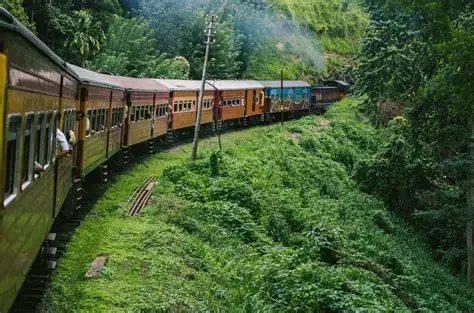
- By train from Colombo: One of Sri Lanka's most scenic railway journeys (approximately 3 hours). First-class observation cars offer panoramic windows and air conditioning.
- By road from Colombo: 3–4 hours depending on traffic, passing through smaller towns with glimpses of rural Sri Lankan life.
- From the south coast: 4–5 hours via scenic inland routes through Ratnapura or the hill country road from Galle.
How Long Should You Spend?
Two full days is the ideal minimum for Kandy. This gives you enough time to visit the Temple of the Tooth, explore the botanical gardens, experience a cultural show, and take a tea estate tour without feeling rushed. If you are using Kandy as a base for exploring the wider Hill Country — including day trips to Nuwara Eliya, Knuckles Mountain Range, or the Pinnawala area — three to four nights is more comfortable.
Practical Tips
- The city centre can be congested during peak hours — allow extra time if travelling by vehicle
- Tuk-tuks are plentiful and affordable. Negotiate the fare before your journey
- Evenings are noticeably cooler than the coast — pack a light jacket
- The Kandy Municipal Market is the best place to buy spices at local prices
- Kandy is a sacred city — dress modestly when visiting religious sites
Explore Kandy with Peacock Lanka Travels
Kandy is a cornerstone of almost every Sri Lanka itinerary we design. We arrange private guided tours of the Temple of the Tooth timed to coincide with the evening puja ceremony, visits to working tea estates with tastings led by estate managers, and excursions to the ancient temples outside the city that most group tours overlook. Whether you are arriving by scenic train from Colombo or continuing onward to Ella and the south coast, we handle every detail.
Contact Peacock Lanka Travels today and let us create your perfect Sri Lanka tour package tailored to your interests, budget, and travel style.

Ready to Explore?
+94 70 777 7776