
If Anuradhapura is ancient Sri Lanka’s spiritual heart, then Polonnaruwa is its political showcase. This medieval capital — which flourished from the eleventh to the thirteenth century — is home to some of the most beautifully preserved archaeological ruins in South Asia. Unlike the sprawling, sometimes overwhelming scale of Anuradhapura, Polonnaruwa’s key sites are concentrated enough to explore by bicycle in a single rewarding day.
The ancient city sits beside the vast Parakrama Samudra reservoir in the dry zone of central-northern Sri Lanka. What makes Polonnaruwa special is the remarkable state of preservation — intricate stone carvings, towering Buddha statues, and the ruins of palaces and temples still convey the grandeur and sophistication of a civilisation at its peak.
Must-See Sites in Polonnaruwa
The archaeological park is compact enough to explore in four to five hours by bicycle. Start early in the morning to beat the heat and have the most popular sites to yourself before tour groups arrive.
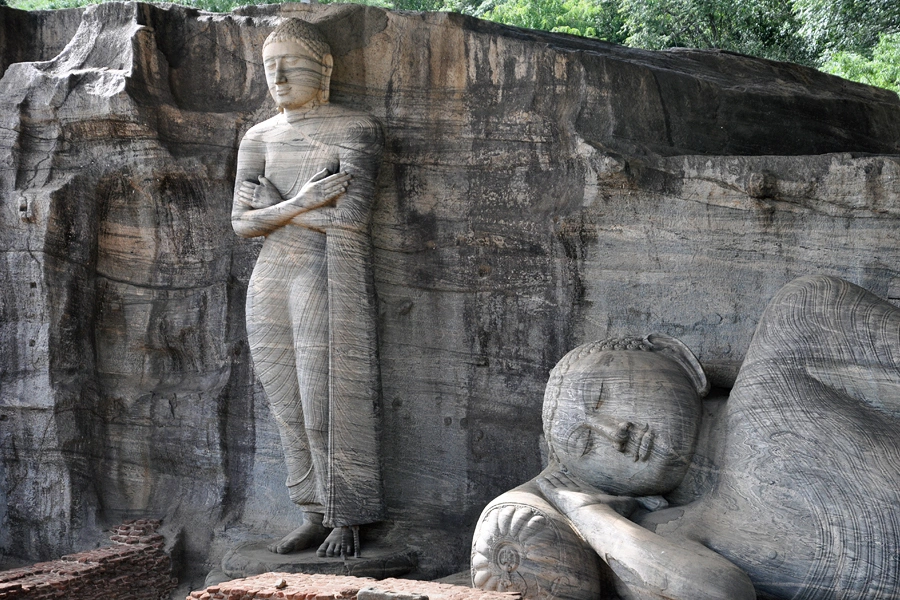
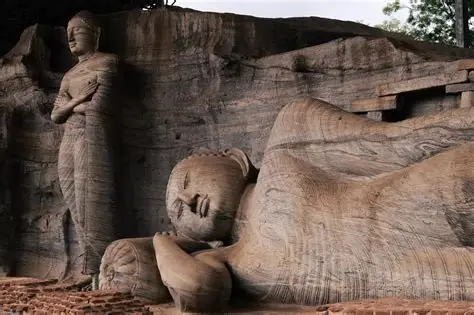
- Gal Vihara — four magnificent Buddha statues carved from a single granite slab, including a stunning fourteen-metre reclining figure. Widely considered the finest rock-carved sculptures in Sri Lanka.
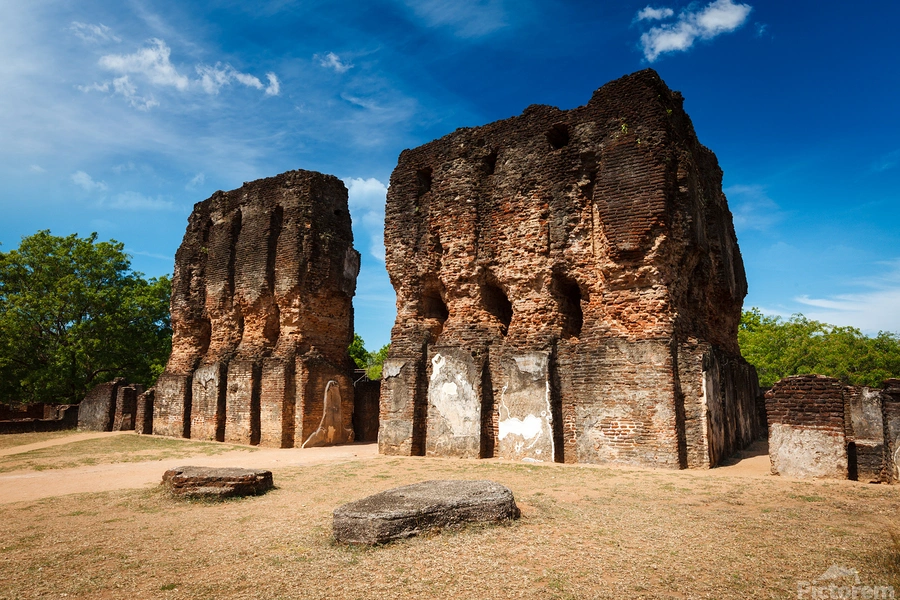
- Royal Palace of King Parakramabahu — the ruins of a seven-storey palace with walls over three metres thick, giving a sense of the scale of medieval Sinhalese architecture.
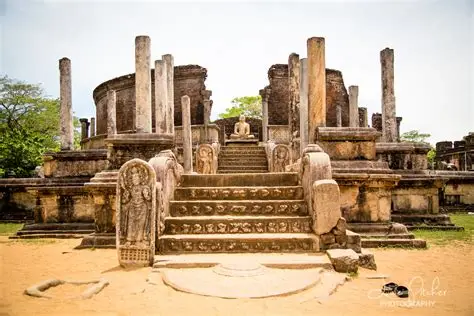
- Vatadage — an exquisitely carved circular relic house with concentric stone terraces, moonstone entrances, and guardian statues. One of the most beautiful structures in the ancient city.
- Rankoth Vehera — the largest stupa in Polonnaruwa, modelled after the great dagobas of Anuradhapura.
- Lankatilaka — a massive brick temple with a standing headless Buddha statue, its towering walls creating a dramatic frame against the sky.
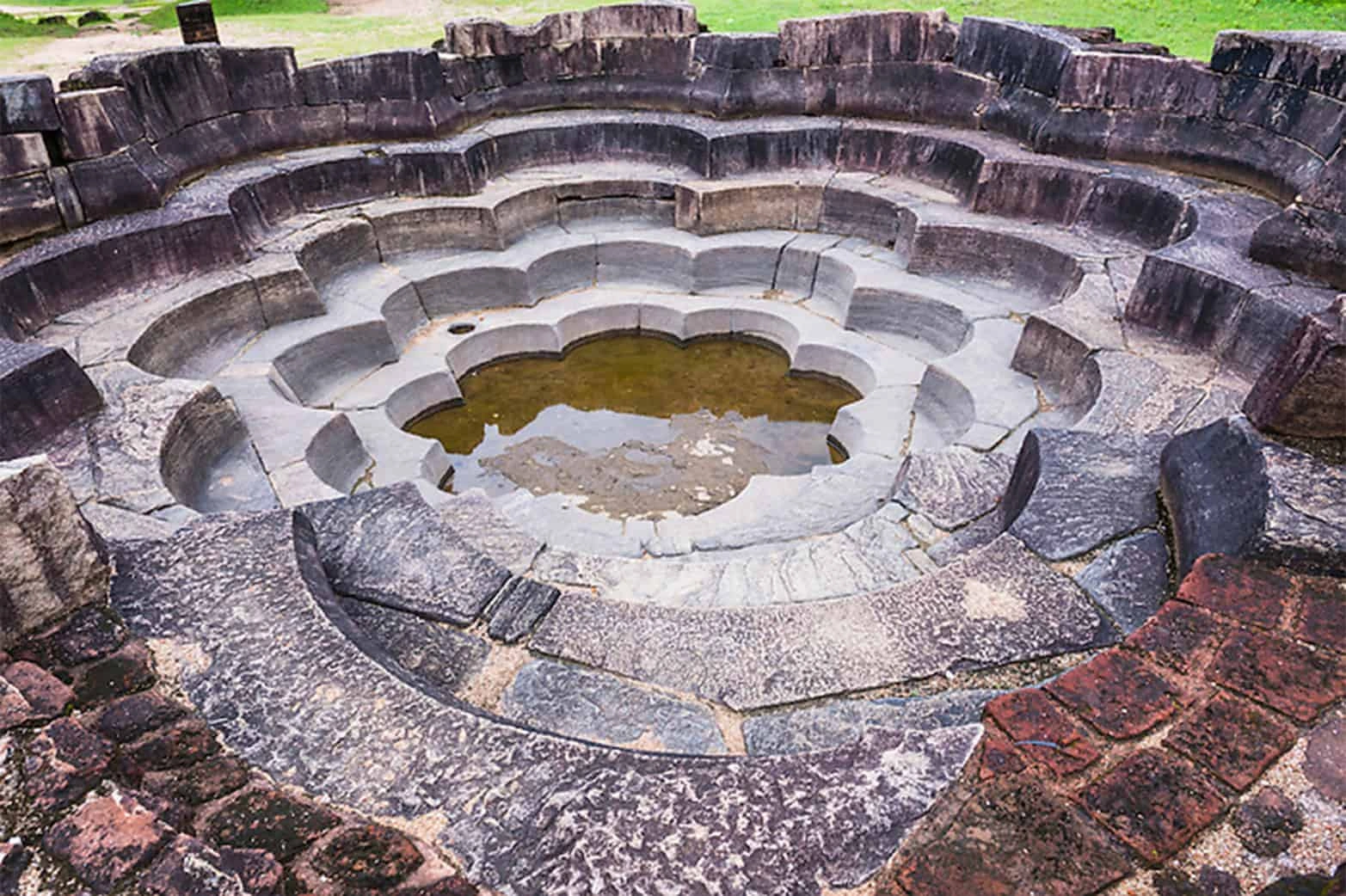
- Lotus Pond — a unique bathing pool designed in the shape of an eight-petalled lotus flower.
Parakrama Samudra — The Sea of Parakrama
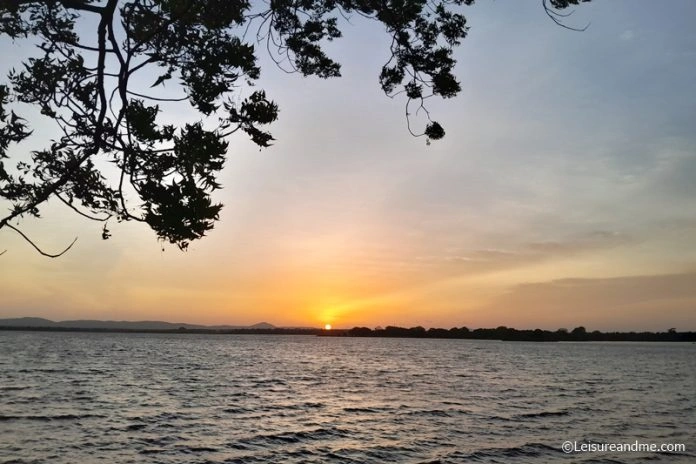
The massive reservoir that borders the ancient city was built by King Parakramabahu I in the twelfth century. Covering over twenty-two square kilometres, it remains one of the largest ancient irrigation works in the world and continues to supply water to the surrounding farmland today. The reservoir’s banks offer beautiful sunset views and are a popular spot for an evening stroll or a quiet moment of reflection after a day of exploring the ruins.
Cycling the Ancient City
Cycling is by far the best way to explore Polonnaruwa. The terrain is flat, the distances between sites are manageable, and the shaded paths through the archaeological park make for pleasant riding even in warm weather. Bicycles can be rented at shops near the main entrance for a few hundred rupees per day. Most are basic single-speed models, but they are perfectly adequate for the flat terrain.
Start your cycling tour at the museum near the main entrance — the exhibits provide context that brings the ruins to life. Then follow the circuit clockwise through the Royal Palace group, the Quadrangle, Gal Vihara, and the northern monastery ruins. Carry water and snacks as there are limited vendors inside the park.
Peacock Lanka Travels
Wildlife Around Polonnaruwa
The ancient city is not just an archaeological site — it doubles as an informal wildlife sanctuary. Toque macaques are everywhere, swinging through the ruins and posing on ancient stonework. Grey langurs sit contemplatively on crumbling walls. Monitor lizards patrol the grassy clearings, and peacocks strut between the stupas. Along the reservoir banks, you may spot crocodiles, water buffalo, and dozens of bird species. Keep your eyes open and your camera ready.
Practical Information
- Entry fee: Approximately USD 25 (or included in the USD 50 Combined Cultural Triangle ticket)
- Time needed: 4–5 hours by bicycle for the main circuit
- Best time to visit: Early morning (6:30–7:00 AM start) to beat heat and crowds
- Dress code: Shoulders and knees covered at all religious sites; shoes removed at temples
- From Colombo: 4–5 hours by road (215 km northeast)
- From Sigiriya: 1.5 hours — easily combined as a Cultural Triangle day trip
- From Kandy: 3–4 hours by road
- Recommended stay: 1 full day for the ancient city; add a second day if combining with Minneriya elephant safari
Combine your Polonnaruwa visit with a late afternoon safari at nearby Minneriya or Kaudulla National Park (30 minutes away). During the dry season (July–October), the famous "Gathering of the Elephants" brings hundreds of wild elephants together around the Minneriya reservoir — one of the greatest wildlife spectacles in Asia.
Peacock Lanka Travels
Explore Polonnaruwa with Peacock Lanka Travels
We pair Polonnaruwa with Sigiriya, Dambulla, and Anuradhapura in comprehensive Cultural Triangle itineraries that cover the ancient heart of Sri Lanka. Our knowledgeable guides bring the ruins to life with historical context, and we arrange bicycle hire, timed visits to avoid crowds, and late-afternoon elephant safaris at Minneriya for the complete experience.
Contact Peacock Lanka Travels today and let us create your perfect Sri Lanka tour package tailored to your interests, budget, and travel style.

Ready to Explore?
+94 70 777 7776