
In December 2025, a tradition that has sustained rural Sri Lankan communities for centuries received the global recognition it deserves. Kithul Madeema — the ancient indigenous practice of tapping sap from the Kithul palm — was officially inscribed on UNESCO’s Representative List of the Intangible Cultural Heritage of Humanity. The announcement, made during the 20th Session of the Intergovernmental Committee in New Delhi, marked the third Sri Lankan element to receive this prestigious designation.
For travellers, this recognition shines a spotlight on one of Sri Lanka’s most fascinating and least-known cultural traditions — one that you can witness firsthand during your visit. Here is everything you need to know about Kithul tapping, why UNESCO honoured it, and how you can experience this living heritage for yourself.
What Is Kithul Tapping?
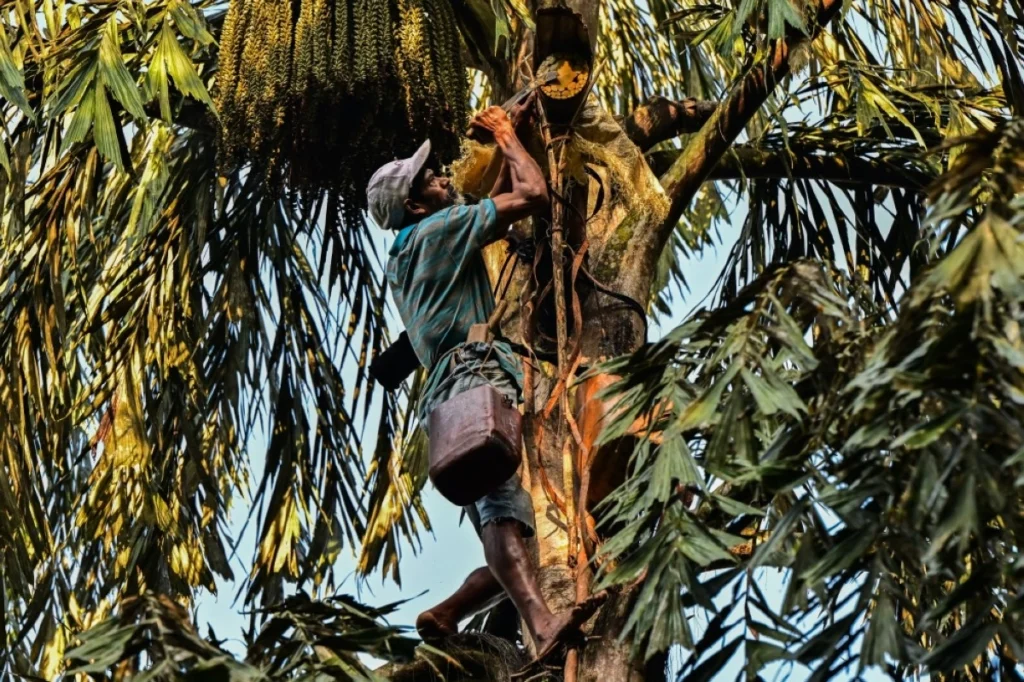
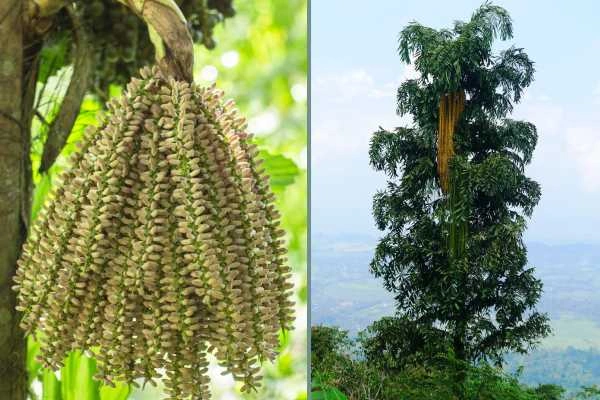
The Kithul palm (Caryota urens) is a tall, elegant tree found in forests and home gardens across thirteen districts of Sri Lanka, spanning the Southern, Central, Sabaragamuwa, and Uva provinces. Kithul Madeema — also known as Kithul Kapeema — is the traditional method of extracting sweet sap from this palm, a practice that has been passed down through generations of rural communities for centuries.
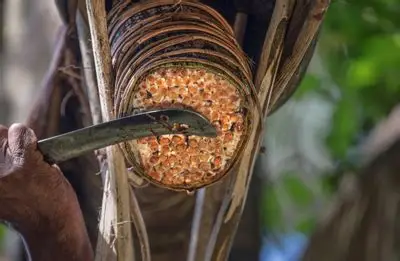
The process is far more skilled than it might first appear. Tappers must identify mature trees, climb towering palms using handmade ladders, carefully prepare and wrap the flower stalk with vine, and then use a sacred tapping knife to make precise cuts that release the sap without damaging the tree. The sap is collected daily in clay pots and must be processed quickly before it ferments.
Kithul tapping is not simply a food production method — UNESCO recognised it as a "highly skilled knowledge system" that involves plant science, physical expertise, spiritual belief, and community cooperation passed down across generations.
Peacock Lanka
The Products — Treacle, Jaggery & More
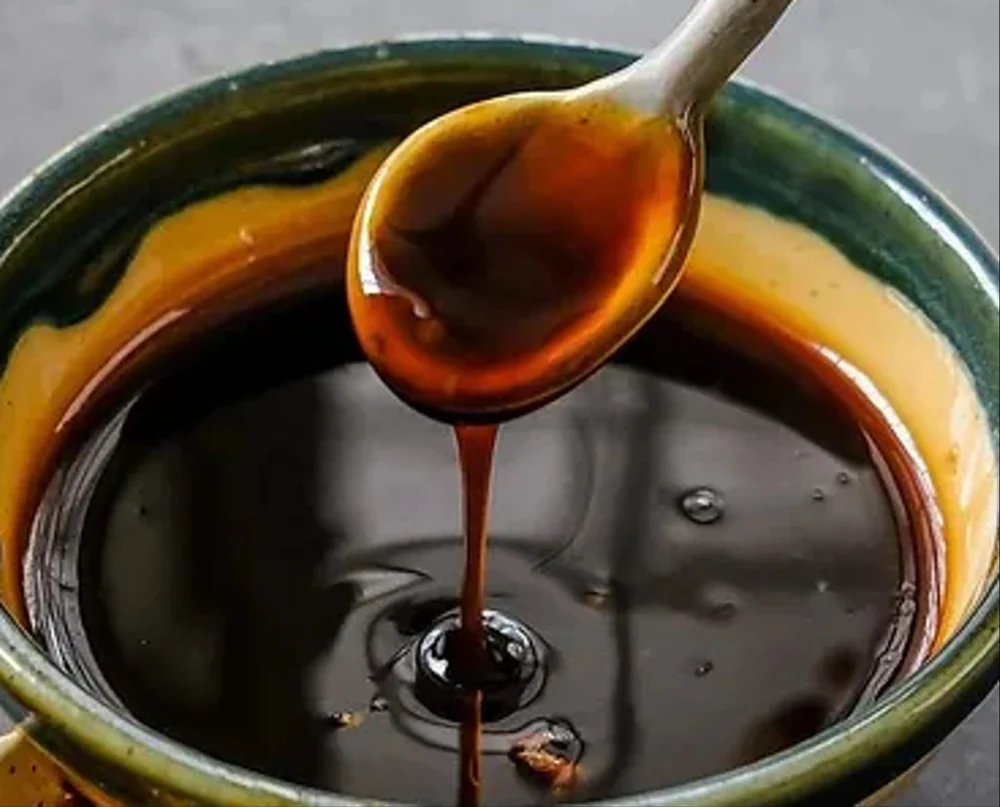
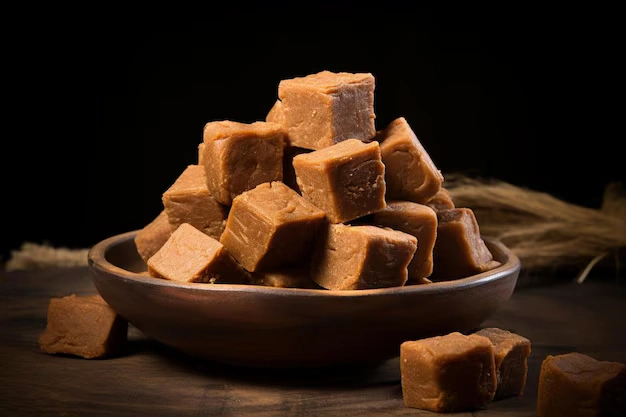
Once collected, the fresh sap is filtered and slowly boiled for several hours to produce some of Sri Lanka’s most treasured food products. These are not just ingredients — they are deeply woven into the island’s culinary identity, ceremonial life, and rural economy.
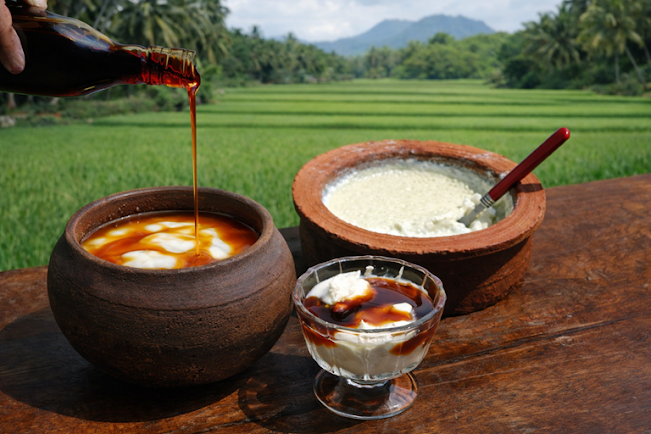
- Kithul treacle (Kithul pani) — a thick, dark, aromatic syrup with a complex sweetness unlike any other natural sweetener. Used in desserts, drizzled over curd (buffalo yoghurt), and added to traditional sweets
- Kithul jaggery (hakuru) — solidified treacle formed into blocks, used as a natural sweetener and in traditional medicine. The flavour is rich, caramel-like, and deeply satisfying
- Kithul toddy — a mildly alcoholic drink made from fresh, fermented sap, consumed in rural areas
- Kithul vinegar — produced through further fermentation, used in cooking and traditional remedies
- Kithul flour — made from the tree's pith, used to prepare traditional sweets and noodles
Why UNESCO Chose to Honour This Tradition
UNESCO’s inscription under decision 20.COM 7.b.40 recognises Kithul Madeema for several reasons that go beyond food production. The practice preserves irreplaceable traditional knowledge that might otherwise be lost as rural communities modernise. It sustains rural livelihoods across thirteen districts, providing income for families in some of Sri Lanka’s least wealthy regions. It promotes ecological sustainability — Kithul trees grow naturally in forests and home gardens, requiring no clearing, plantation farming, or chemical inputs. And it strengthens community bonds — the products are shared widely during ceremonies, festivals, and communal gatherings throughout the island.
This is the third Sri Lankan element inscribed on UNESCO’s Intangible Cultural Heritage list, joining traditional stilt fishing and the ritualistic arts associated with the Kandyan dance tradition. Together, these recognitions highlight Sri Lanka’s extraordinary depth of living cultural heritage — traditions that continue to thrive in daily life rather than existing only in museums.
How Travellers Can Experience Kithul Culture
The beauty of Kithul Madeema for visitors is that it is a living tradition, not a staged performance. Across the central, southern, and Sabaragamuwa provinces, you can witness the practice in its authentic setting — real communities, real palms, real treacle-making. Here is how to include it in your Sri Lanka itinerary.
- Village visits in the hill country — many community tourism operators between Kandy and Ella include Kithul tapping demonstrations as part of village walks. Watch a tapper climb, see the sap collected, and taste fresh treacle still warm from the pot
- Spice and village gardens — several spice gardens and agro-tourism sites in the Matale and Kandy districts include Kithul palms and explain the traditional process
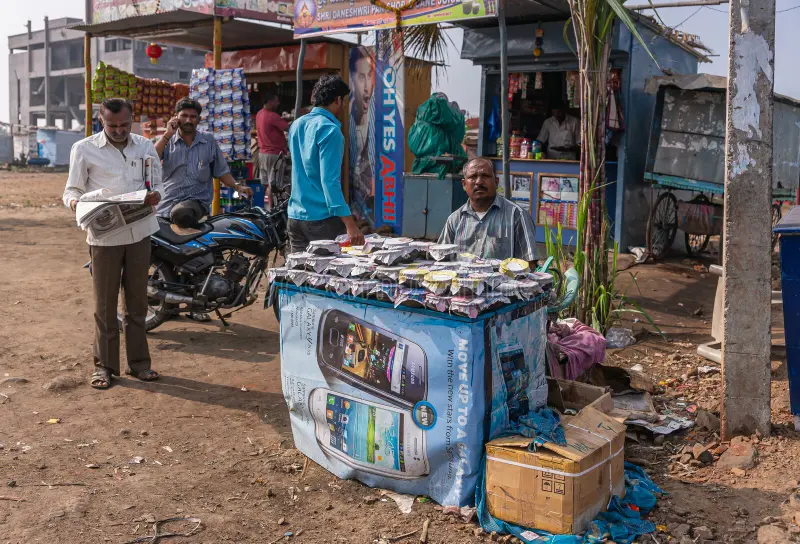
- Markets and food stalls — look for Kithul treacle and jaggery at local markets throughout the hill country and south. The genuine product has a depth of flavour that commercial alternatives cannot match
- Curd and treacle — the classic Sri Lankan dessert of fresh buffalo curd drizzled with Kithul treacle is available at roadside stalls across the south coast, particularly between Galle and Tangalle. It is one of the simplest and most delicious things you will eat in Sri Lanka
- Cooking classes — several cooking experiences across the island include Kithul treacle as an ingredient, showing how it is used in traditional desserts and sweets
When buying Kithul treacle, look for the authentic product sold in glass bottles at local markets or village shops. Genuine Kithul treacle has a dark amber colour, a thick consistency, and a complex flavour that is floral, caramel-like, and mildly smoky. Mass-produced versions sold to tourists are often diluted with palm sugar — the real thing is worth seeking out.
Peacock Lanka
Where to See Kithul Tapping in Sri Lanka
- Sabaragamuwa Province (Ratnapura, Kegalle) — the heartland of Kithul production, with the highest concentration of traditional tappers
- Central Province (Kandy, Matale) — village tourism operators offer Kithul experiences as part of broader cultural tours
- Southern Province (Galle, Matara) — roadside curd-and-treacle stalls use locally produced Kithul treacle
- Uva Province (Ella, Badulla) — Kithul palms are visible along roadsides and in home gardens throughout the hill country
- Knuckles Mountain Range — community trekking experiences in the Knuckles include visits to villages where Kithul tapping is practised daily
A Taste of Heritage — Why This Matters for Sri Lanka
UNESCO’s recognition is more than a symbolic honour. It brings international visibility to a tradition that sustains thousands of rural families. It encourages younger generations to take pride in a practice that was sometimes seen as old-fashioned. And it creates new economic opportunities through cultural tourism — visitors who arrive specifically to experience Sri Lanka’s intangible heritage, not just its beaches and temples.
For travellers, this inscription adds another layer of depth to a Sri Lanka visit. When you taste Kithul treacle drizzled over curd at a roadside stall, you are not just eating a dessert — you are participating in a UNESCO-recognised tradition that connects you to centuries of knowledge, community, and the relationship between human ingenuity and the natural world.
Experience Kithul Heritage with Peacock Lanka
We include authentic village experiences — including Kithul tapping demonstrations and tastings — in our hill country and Cultural Triangle itineraries. Our guides know the communities where this tradition is practised daily, and we arrange visits that are genuine, respectful, and directly support the families keeping this heritage alive.
Contact Peacock Lanka Travels today and let us create your perfect Sri Lanka tour package tailored to your interests, budget, and travel style.

Ready to Explore?
+94 70 777 7776