
Understanding Sri Lanka’s weather is the single most important step in planning your trip — and also the most misunderstood. Most visitors assume the island is either “in season” or “not in season,” but the reality is far more interesting. Sri Lanka runs on two separate monsoon systems that affect opposite sides of the island at different times. This means at any given moment, roughly half the country is enjoying beautiful weather while the other half gets rain. There is no universally bad time to visit Sri Lanka — only the wrong coast at the wrong time.
Understanding Sri Lanka’s weather is the single most important step in planning your trip — and also the most misunderstood. Most visitors assume the island is either “in season” or “not in season,” but the reality is far more interesting. Sri Lanka runs on two separate monsoon systems that affect opposite sides of the island at different times. This means at any given moment, roughly half the country is enjoying beautiful weather while the other half gets rain. There is no universally bad time to visit Sri Lanka — only the wrong coast at the wrong time.
The Two Monsoons — How Sri Lanka's Weather Works
Sri Lanka’s climate is governed by two monsoon systems that arrive from different directions, affecting different parts of the island. Once you understand this mechanism, planning your trip becomes simple.
- Southwest Monsoon (Yala Season) — May to September. Brings rain to the west coast, south coast, and hill country. Colombo, Galle, Mirissa, Kandy, Ella, and Nuwara Eliya are affected. The east coast is shielded by the central mountains and enjoys its best weather during this period.
- Northeast Monsoon (Maha Season) — October to January. Brings rain to the north and east coasts. Trincomalee, Arugam Bay, Jaffna, and Batticaloa are affected. The west and south coasts enjoy their driest, sunniest weather during this period.
- Inter-Monsoon Periods — April and October/November. Transitional periods with unpredictable afternoon thunderstorms possible anywhere on the island. Usually brief and heavy rather than all-day rain.
The golden rule: when one coast gets rain, the other coast gets sun. This makes Sri Lanka a genuine year-round destination — you just need to choose the right side of the island for your travel dates. The Cultural Triangle (Sigiriya, Polonnaruwa, Anuradhapura) sits in the dry zone and enjoys relatively stable weather year-round.
Peacock Lanka
Month-by-Month Weather Guide
January
One of the best months to visit the south and west coasts. Skies are blue, seas are calm, and temperatures hover around 27–30°C along the coast. This is peak tourist season — expect the busiest hotels and highest prices, but also the most reliably perfect weather. The hill country is cool and pleasant (15–20°C in Nuwara Eliya). The east coast receives some rain from the tail end of the northeast monsoon, though it tapers off through the month.
- Best regions: South coast, west coast, hill country, Cultural Triangle
- Activities: Beach, whale watching (Mirissa), Galle Literary Festival (usually late January), Horton Plains trekking
- Avoid: East coast beaches (some rain, rough seas)
- Temperatures: Coast 27–30°C, Hill country 15–22°C
February
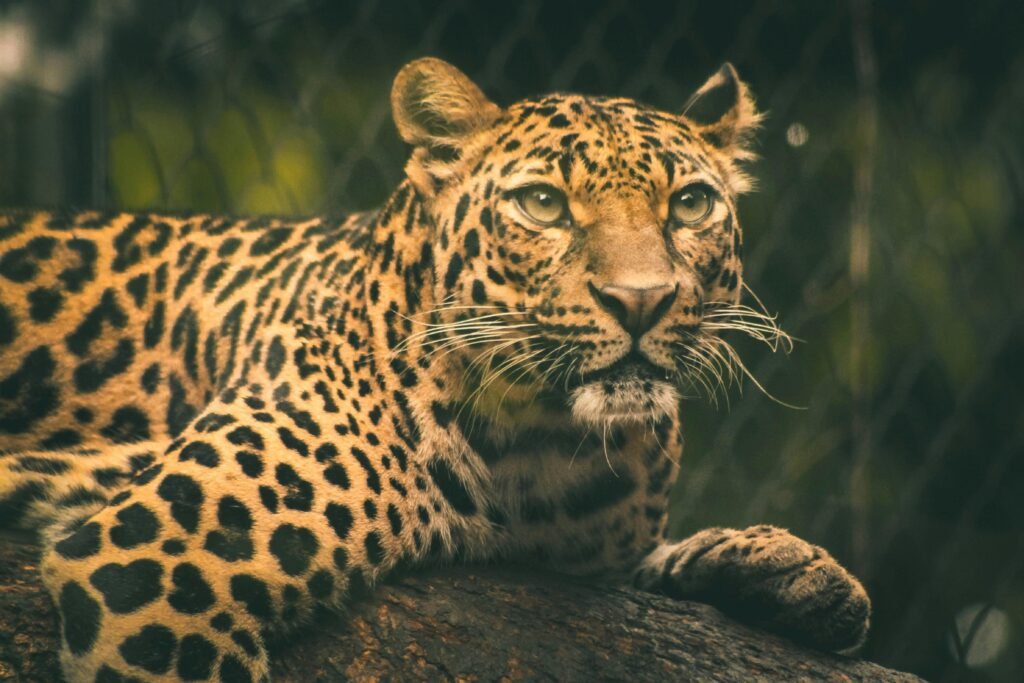
Continues the excellent dry season conditions on the south and west coasts. One of the best months for wildlife safari at Yala — dry conditions concentrate animals around water sources, making leopard and elephant sightings more likely. Whale watching from Mirissa is in full swing. The independence day celebrations on February 4th add cultural colour. Still peak season pricing.
- Best regions: South coast, west coast, Yala safari, hill country
- Activities: Whale watching, Yala safari (peak leopard sighting period begins), Adam's Peak pilgrimage season
- Temperatures: Coast 28–31°C, Hill country 15–22°C
March
The last reliably dry month on the south and west coasts before the inter-monsoon transition. Temperatures climb slightly. Still excellent for beach holidays, whale watching (final weeks of peak season at Mirissa), and wildlife safari. The east coast begins to dry out, creating a brief overlap where both coasts can be enjoyable. A good month for a full island circuit.
- Best regions: All regions can work — the brief overlap between monsoons
- Activities: Whale watching (final month at Mirissa), Yala safari, Sinharaja rainforest, Adam's Peak (season ends May)
- Temperatures: Coast 28–31°C (warming), Hill country 16–23°C
April
The inter-monsoon transition. April is historically the hottest month in Sri Lanka, with humidity rising and afternoon thunderstorms becoming more frequent. Rain showers tend to be brief and intense rather than all-day drizzle. Despite the heat, April is a culturally rich time — the Sinhala and Tamil New Year falls mid-month, bringing street festivals, traditional sweets, and a vibrant local atmosphere. Hotel prices drop from peak-season levels.
- Best regions: Cultural Triangle (drier inland), east coast (improving)
- Activities: Sinhala & Tamil New Year celebrations, cultural experiences, start of east coast season
- Note: Afternoon thunderstorms possible anywhere — mornings are usually clear
- Temperatures: Coast 29–32°C (hottest month), Hill country 17–24°C
May
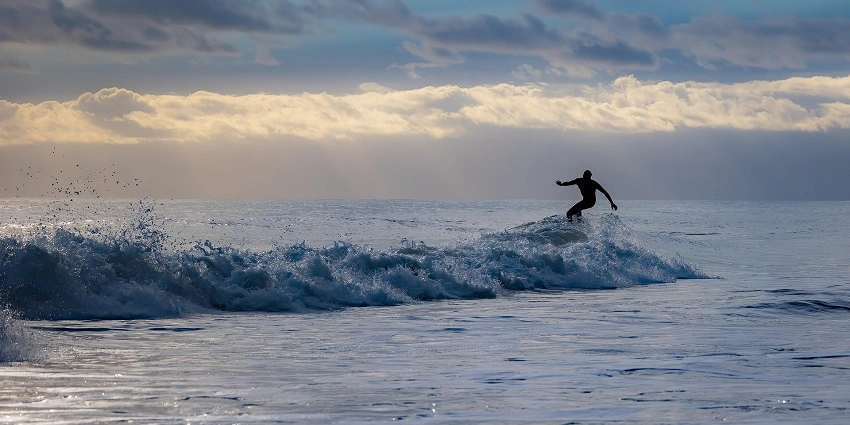
The southwest monsoon arrives. Rain increases on the west and south coasts and in the hill country. But this is when the east coast comes alive — Trincomalee’s beaches are at their best, Pigeon Island snorkelling begins, and Arugam Bay’s surf season kicks off. Whale watching shifts from Mirissa to Trincomalee. Hotel prices on the south coast drop significantly, offering excellent value for travellers who do not mind occasional rain.
- Best regions: East coast (Trincomalee, Arugam Bay), Cultural Triangle
- Activities: East coast beaches, surfing (Arugam Bay season opens), Trincomalee whale watching begins
- Avoid: South coast beaches for swimming (rough seas), though Galle Fort remains enjoyable in rain
- Temperatures: Coast 28–30°C, Hill country 16–22°C
June
The southwest monsoon is fully established. The west and south coasts receive their heaviest rain, and seas are rough. The east coast is now in its prime — Trincomalee offers pristine beach weather, Pigeon Island snorkelling is at peak visibility, and Arugam Bay surf is pumping. Yala safari remains excellent (dry conditions inland). The Cultural Triangle stays relatively dry and is less crowded than peak season.
- Best regions: East coast, Cultural Triangle, Yala safari
- Activities: Surfing (Arugam Bay peak), snorkelling (Pigeon Island), whale watching (Trincomalee), Yala safari
- Temperatures: Coast 28–30°C, Hill country 15–20°C
July & August
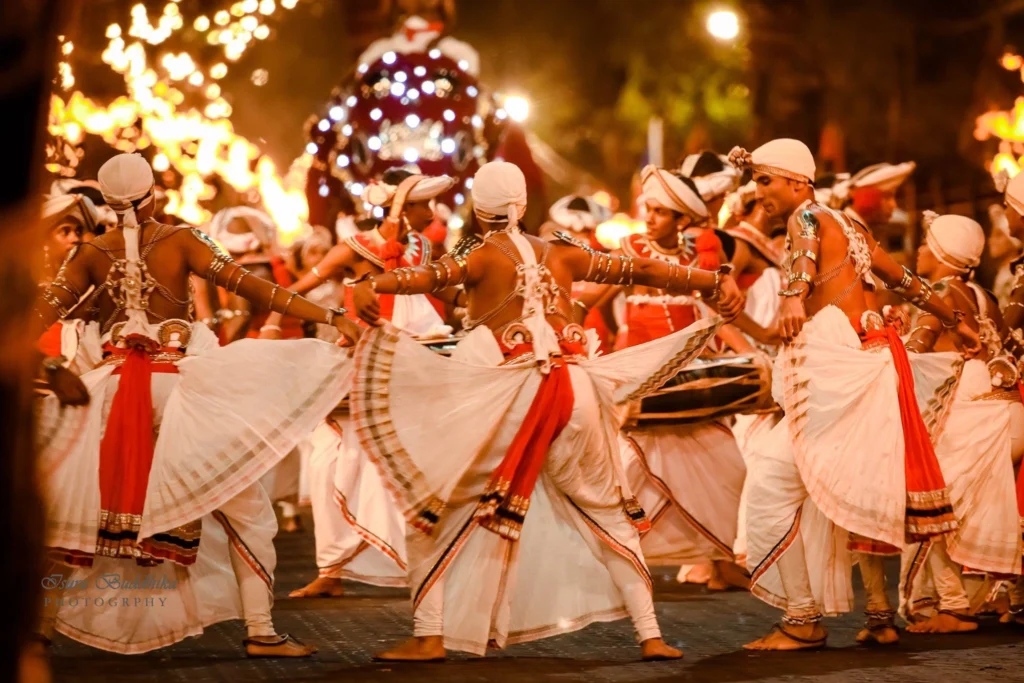
Peak east coast season continues. Arugam Bay is at its best for surf, Trincomalee for beaches and whale watching. The west and south coasts remain wet, though the hill country can have pleasant spells between showers. July or August brings the Kandy Esala Perahera — Sri Lanka’s most spectacular cultural festival, with torchlit processions of elaborately decorated elephants through the streets of Kandy over ten days. This alone is worth timing a trip around.
- Best regions: East coast, Cultural Triangle
- Highlight: Kandy Esala Perahera festival (July/August — dates vary with lunar calendar)
- Activities: Surfing, east coast beaches, Minneriya elephant gathering (July–October), Perahera
- Temperatures: Coast 28–30°C, Hill country 15–20°C
September
The southwest monsoon begins to weaken. Rain on the west and south coasts eases, and both sides of the island can enjoy reasonable weather. Yala Block 1 closes for maintenance (Block 5 remains open). The east coast remains pleasant. Minneriya elephant gathering continues. Hotel prices are at their lowest — excellent value for budget-conscious travellers.
- Best regions: East coast (still good), Cultural Triangle, south coast (improving)
- Note: Yala Block 1 closed for September
- Activities: Minneriya elephant gathering, east coast beaches, budget travel across the island
- Temperatures: Coast 28–30°C, Hill country 16–22°C
October
The second inter-monsoon transition. Afternoon thunderstorms are possible anywhere on the island as the weather patterns shift. This is statistically the wettest month island-wide, but the rain is typically brief and concentrated in the afternoon — mornings are often clear and pleasant. The Cultural Triangle remains a reliable choice. Prices are low and crowds are minimal.
- Best regions: Cultural Triangle (most consistent), south coast (improving)
- Activities: Cultural exploration, Yala reopens, fewer crowds everywhere
- Note: Short, heavy showers rather than all-day rain — carry an umbrella and plan outdoor activities for mornings
- Temperatures: Coast 27–30°C, Hill country 15–21°C
November
The northeast monsoon arrives, bringing rain to the east and north coasts. The south and west coasts begin their dry season — beaches dry out, seas calm down, and the classic tourist season ramps up. Whale watching from Mirissa resumes for the season. November is an excellent month for early-bird travellers who want south coast sunshine before the December-January crowds arrive. Prices are lower than peak season.
- Best regions: South coast, west coast (dry season begins), hill country, Cultural Triangle
- Activities: Whale watching (Mirissa season opens), Yala safari, south coast beaches
- Avoid: East coast (northeast monsoon rain, rough seas)
- Temperatures: Coast 27–29°C, Hill country 14–20°C (cooling)
December
Peak season begins in earnest. The south and west coasts enjoy reliably dry, sunny weather with calm seas and warm temperatures. This is the most popular month for international visitors — Christmas and New Year bring the highest prices and the busiest hotels. Book well in advance. The hill country is cool and clear, ideal for Horton Plains and tea estate visits. Adam’s Peak pilgrimage season begins. The east coast is wet and mostly closed.
- Best regions: South coast, west coast, hill country, Cultural Triangle
- Activities: Beach holidays, whale watching, Yala safari, Adam's Peak season opens, festive celebrations
- Prices: Peak season — book 2–3 months in advance for the best properties
- Temperatures: Coast 27–29°C, Hill country 14–20°C
Quick-Reference Season Chart
Here is the simplest way to think about Sri Lanka’s weather throughout the year:
- December to April — best for south coast, west coast, hill country (peak tourist season)
- May to September — best for east coast (Trincomalee, Arugam Bay), Cultural Triangle
- Year-round — Cultural Triangle (Sigiriya, Dambulla, Polonnaruwa) sits in the dry zone and is fairly reliable in any month
- Year-round — Yala and Udawalawe safari (except Yala Block 1 closure in September)
What the Monsoon Actually Feels Like
Many travellers imagine “monsoon” as constant, grey, all-day rain — but that is not how it works in Sri Lanka. Monsoon rain typically arrives in short, intense bursts, often in the afternoon, followed by clear skies and sunshine. Mornings are frequently beautiful, even during monsoon months. The landscape turns intensely green, waterfalls are at their most powerful, and the air feels clean and fresh after each shower. Many experienced travellers deliberately visit during monsoon season for the lower prices, empty beaches, and dramatic skies. Rain should not prevent you from visiting — it should inform your route.
If your travel dates fall during the southwest monsoon (May–September) and you had your heart set on the south coast — do not cancel. Simply flip your itinerary to the east coast. Trincomalee and Arugam Bay offer equally stunning beaches with perfect weather during exactly the months when the south coast is wet. A good tour operator adjusts your route to match the season, not the other way around.
Peacock Lanka
Hill Country Weather — A Different Climate Entirely
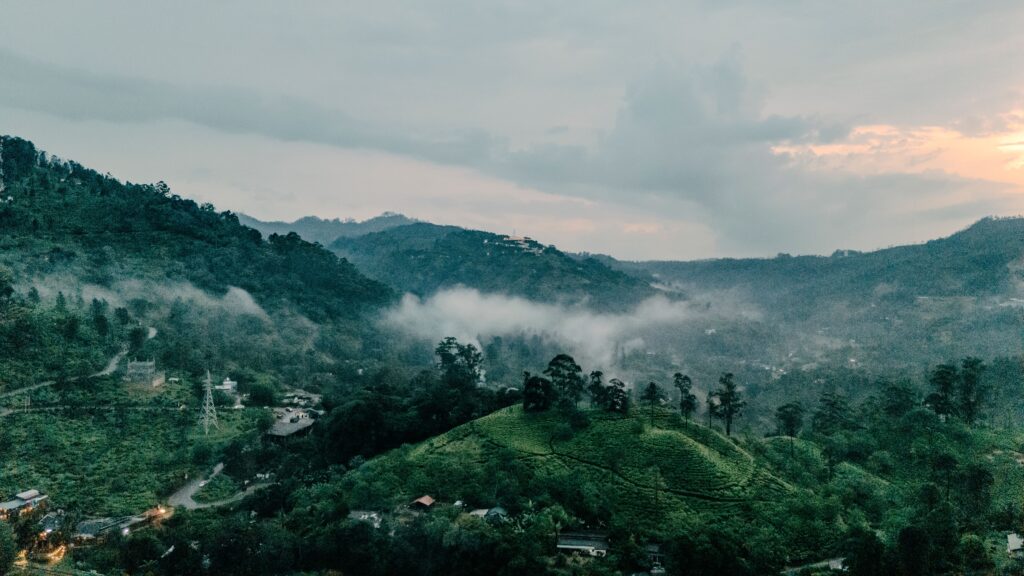
Sri Lanka’s central highlands (Kandy, Nuwara Eliya, Ella, Horton Plains) sit at elevations of 500 to 2,200 metres and experience markedly cooler temperatures than the coast. Nuwara Eliya can drop to 5°C at night, and Horton Plains can feel genuinely cold at dawn. Even Kandy, at a modest 500 metres, is noticeably cooler than the lowlands. Pack a warm layer for the hill country regardless of what month you visit — the temperature difference from the coast can be fifteen degrees or more.
Let Us Plan Around the Weather for You
Weather-optimised itinerary planning is one of the biggest advantages of booking with a local tour operator. At Peacock Lanka Travels, we design every itinerary around the seasonal conditions for your specific travel dates — choosing the right coast, the right activities, and the right route so you experience Sri Lanka at its best regardless of when you arrive. We monitor weather patterns throughout your trip and can adjust the route on the fly if conditions change.
Contact Peacock Lanka today and let us create your perfect Sri Lanka tour package tailored to your interests, budget, and travel style.

Ready to Explore?
+94 70 777 7776