
While most visitors to Sri Lanka gravitate toward the southern and western coasts, the country’s eastern shoreline holds some of its most spectacular treasures. Trincomalee — known simply as “Trinco” to those who love it — sits on the northeast coast and offers something increasingly rare in popular tourist destinations: pristine beaches without the crowds, a natural harbour considered one of the finest in the world, and a cultural tapestry woven from centuries of Buddhist, Hindu, and colonial influence.
The city moves at a gentler rhythm than the southern beach towns. Here, fishing boats bob in turquoise waters at dawn, Hindu temple drums echo through the streets at dusk, and stretches of white sand extend for kilometres with barely another soul in sight. For travellers seeking a more authentic and unhurried Sri Lankan coastal experience, Trincomalee delivers something truly special.
The Beaches — Nilaveli and Uppuveli
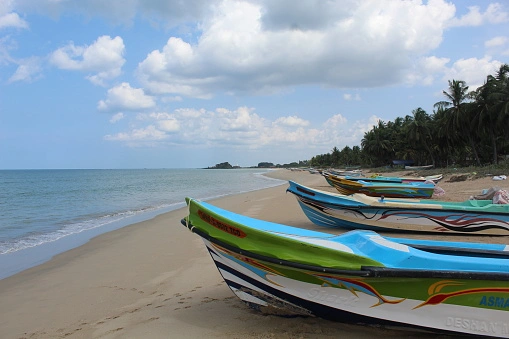
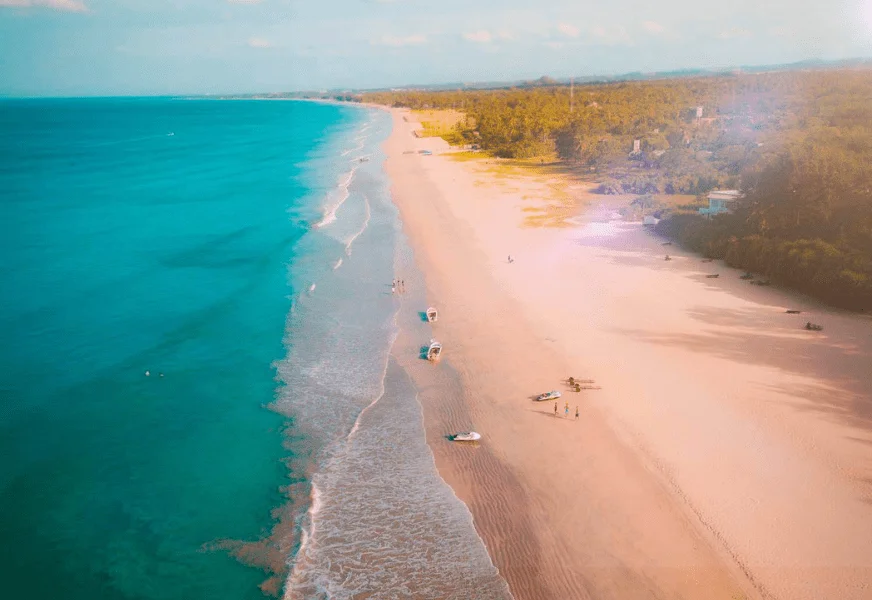
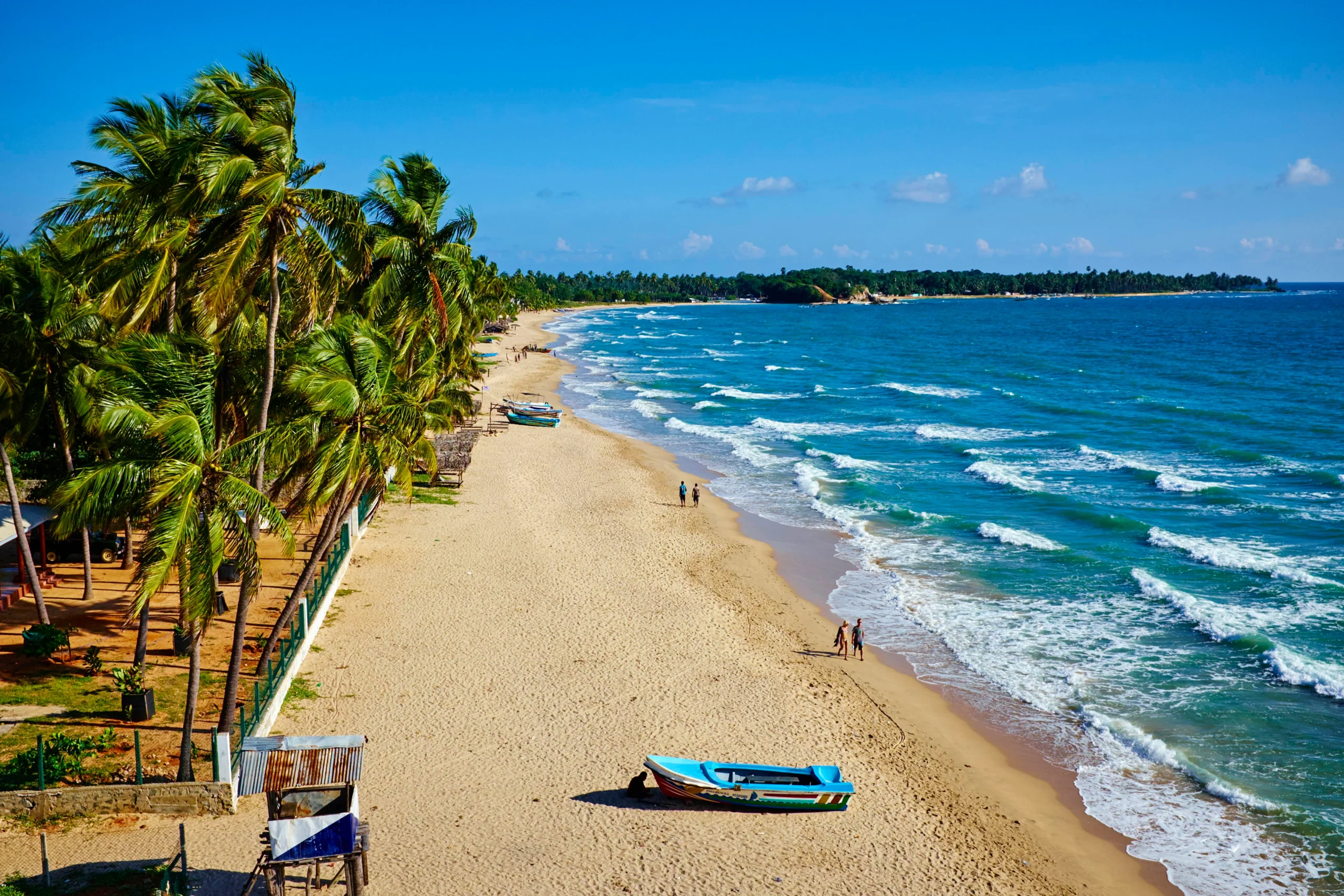
Trincomalee’s beaches are the headline attraction, and they more than live up to their reputation. Nilaveli Beach, located about sixteen kilometres north of the city centre, is often described as one of the most beautiful beaches in Sri Lanka. The sand is fine and pale, the water is remarkably clear, and the coastline stretches for several kilometres in both directions. During the east coast season from May to October, the sea is calm and ideal for swimming.
Uppuveli Beach sits closer to town and has a slightly more developed feel with beachfront guesthouses, restaurants, and bars lining the shore. It strikes a nice balance between convenience and tranquillity — you can walk to dinner from your accommodation, yet the beach never feels crowded. For a quieter experience, Marble Beach near the harbour entrance offers calm, shallow waters and a peaceful atmosphere.
Pigeon Island National Park
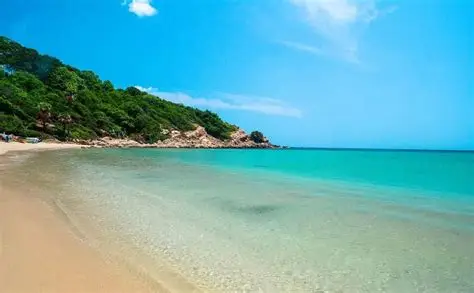
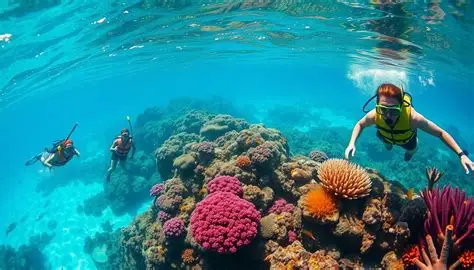
Just a short boat ride from Nilaveli Beach, Pigeon Island is one of only two marine national parks in Sri Lanka and offers some of the best snorkelling on the island. The park comprises two small rocky islands surrounded by coral reefs that teem with colourful tropical fish, reef sharks, and sea turtles. The snorkelling here requires no advanced skills — the water is shallow and usually crystal clear during the season.
Visit Pigeon Island in the morning for the calmest conditions and clearest visibility. The park is at its best from May to September when the sea is gentlest. A small park entrance fee applies, and visitor numbers are limited to protect the fragile reef ecosystem. Equipment can be rented from operators on Nilaveli Beach.
Peacock Lanka Travels
Whale and Dolphin Watching
Trincomalee has emerged as one of Sri Lanka’s premier whale watching destinations, offering a seasonal alternative to the more established operations at Mirissa on the south coast. Blue whales and sperm whales migrate through the deep waters off the east coast between March and August, with May and June generally producing the most consistent sightings. The continental shelf drops away steeply just six to eight nautical miles offshore, meaning boats often reach productive zones within thirty minutes.
Spinner dolphins are frequently spotted as well, sometimes in pods of several hundred, leaping and spinning in the early morning light. Boats typically depart between six and seven in the morning, and trips last four to six hours. Choose an operator that follows responsible whale watching guidelines, maintaining safe distances and limiting time spent near the animals.
Koneswaram Temple and Fort Frederick
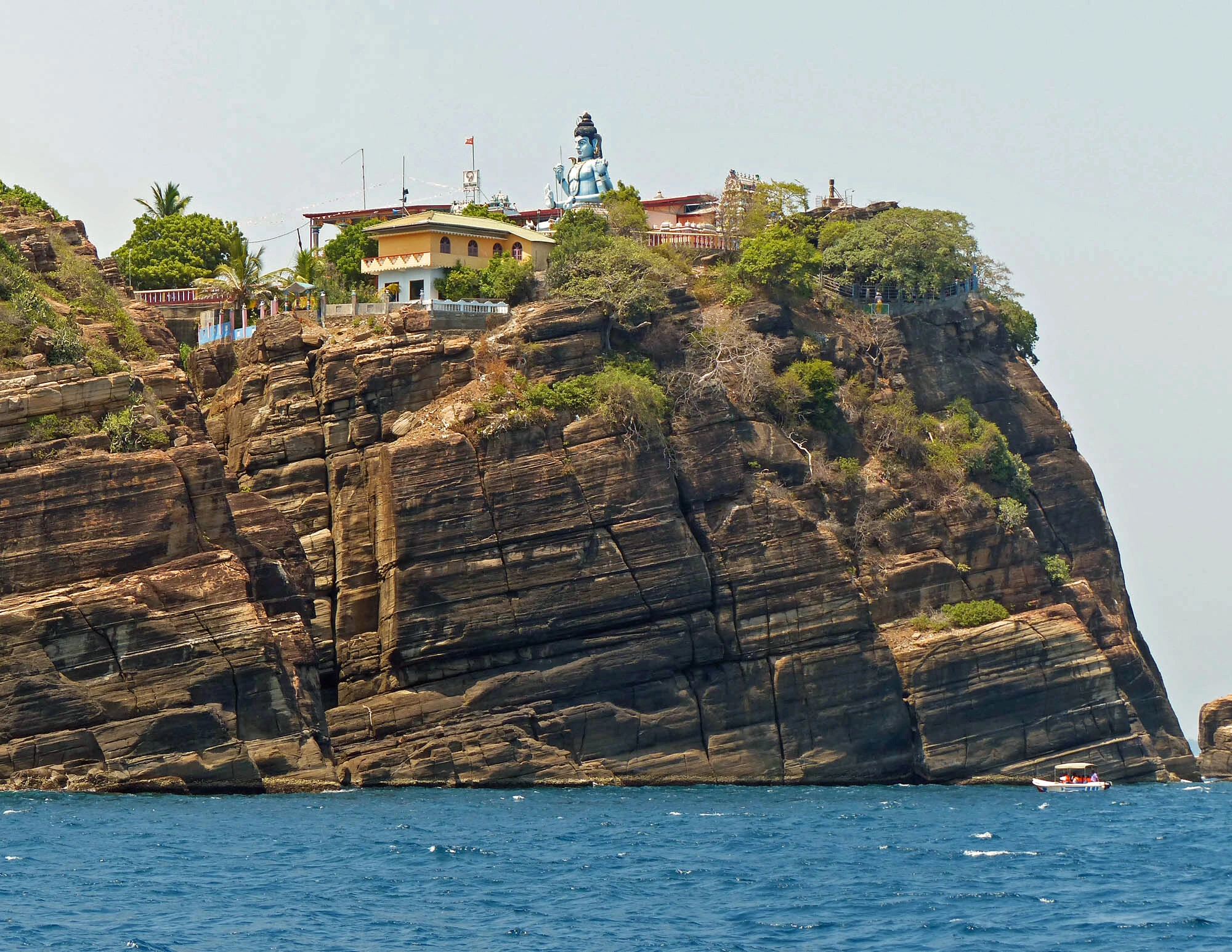
Perched dramatically on Swami Rock, a cliff that drops over a hundred metres straight into the Indian Ocean, the Koneswaram Temple is one of the most sacred Hindu sites in Sri Lanka and one of the five ancient Shiva temples on the island. The temple’s setting is extraordinary — standing at the cliff edge beside the colourful gopuram tower, with the ocean crashing far below, is one of those moments that stays with you long after you leave.
Fort Frederick, at the base of Swami Rock, was originally built by the Portuguese in 1624 and subsequently modified by the Dutch and British. Today visitors can walk through the grounds to reach the temple. The harbour below was once described by the British as among the finest natural deep-water harbours in the world.
Kanniya Hot Springs
About eight kilometres from the city centre, the Kanniya Hot Springs consist of seven natural wells, each containing water at slightly different temperatures. Local tradition attributes healing properties to the waters, and the springs have been a pilgrimage site for centuries. The experience is simple — you scoop warm mineral water over yourself from the stone-walled wells — but it is a refreshingly local and unhurried activity.
Food in Trincomalee
Trincomalee’s food scene reflects its multicultural heritage. Tamil cuisine dominates, with bold spice profiles, generous use of coconut, and exceptional seafood. The Jaffna-style crab curry found in local restaurants is a must-try — rich, fiery, and deeply flavourful. Kottu roti is a street food staple, and string hoppers with coconut sambol make for a wonderful breakfast.
- Jaffna-style crab curry — rich, fiery, and the signature local dish
- Kottu roti — chopped flatbread stir-fried with vegetables, egg, and spices
- String hoppers with coconut sambol — the classic Sri Lankan breakfast
- Fresh grilled seafood at beachfront restaurants in Uppuveli
- Ralla Restaurant near Marble Beach — generous seafood platters at fair prices
Best Time to Visit Trincomalee
The east coast operates on a different seasonal calendar from the south and west. The best time to visit Trincomalee is May to October, when the southwest monsoon brings rain to the other side of the island but leaves the east coast dry, sunny, and calm. This is when the beaches are at their most swimmable, Pigeon Island snorkelling is at its clearest, and whale watching conditions are optimal.
This seasonal pattern makes Trincomalee an excellent complement to the south coast. If you are visiting Sri Lanka during the southwest monsoon months that close the southern beaches (May–September), the east coast is at its absolute best — making it possible to enjoy perfect beach weather year-round by choosing the right coast.
Peacock Lanka Travels
How to Get to Trincomalee
- By road from Colombo: 5–6 hours by private transfer (260 km northeast)
- By train from Colombo: Approximately 7 hours via scenic dry zone route through Habarana
- From the Cultural Triangle (Sigiriya/Dambulla): Only 2–3 hours — easy to combine beach time with heritage
- From Kandy: Approximately 4–5 hours by road
How Long Should You Spend?
Two to three days is ideal for a well-rounded Trincomalee experience. This gives you time to enjoy the beaches, visit Pigeon Island, explore the temples, and fit in a whale watching excursion. Travellers who prefer a slower pace could easily spend four to five days here, alternating between beach relaxation, cultural exploration, and marine adventures.
Explore Trincomalee with Peacock Lanka Travels
We design east coast itineraries that combine Trincomalee’s beaches and marine life with the ancient cities of the Cultural Triangle, creating a journey that balances relaxation with exploration. All transfers, accommodation, and activities are arranged in advance, including booking with responsible whale watching operators and securing permits for Pigeon Island.
Contact Peacock Lanka Travels today and let us create your perfect Sri Lanka tour package tailored to your interests, budget, and travel style.

Ready to Explore?
+94 70 777 7776